
Why Sanitizing Vents for Asthma Matters More Than You Think
Sanitizing vents for asthma can help reduce the allergens, mold spores, and bacteria that circulate through your home’s air supply and trigger respiratory symptoms.
Here’s a quick summary of what you need to know:
- What it does: Sanitizing goes beyond basic cleaning — it targets biological contaminants like mold and bacteria inside ductwork
- Who needs it most: Households with asthma sufferers, especially after visible mold growth, pest infestations, or major renovations
- Does it help? It can reduce asthma triggers, but it works best combined with high-efficiency filters (MERV 11+ or HEPA)
- How often: Every 3–5 years for most homes; more frequently if you have pets, allergies, or severe asthma
- Important caveat: The EPA notes that duct cleaning alone has not been proven to prevent health problems — but keeping vents clean does reduce known asthma triggers
If you have asthma or live with someone who does, the air inside your home deserves serious attention.
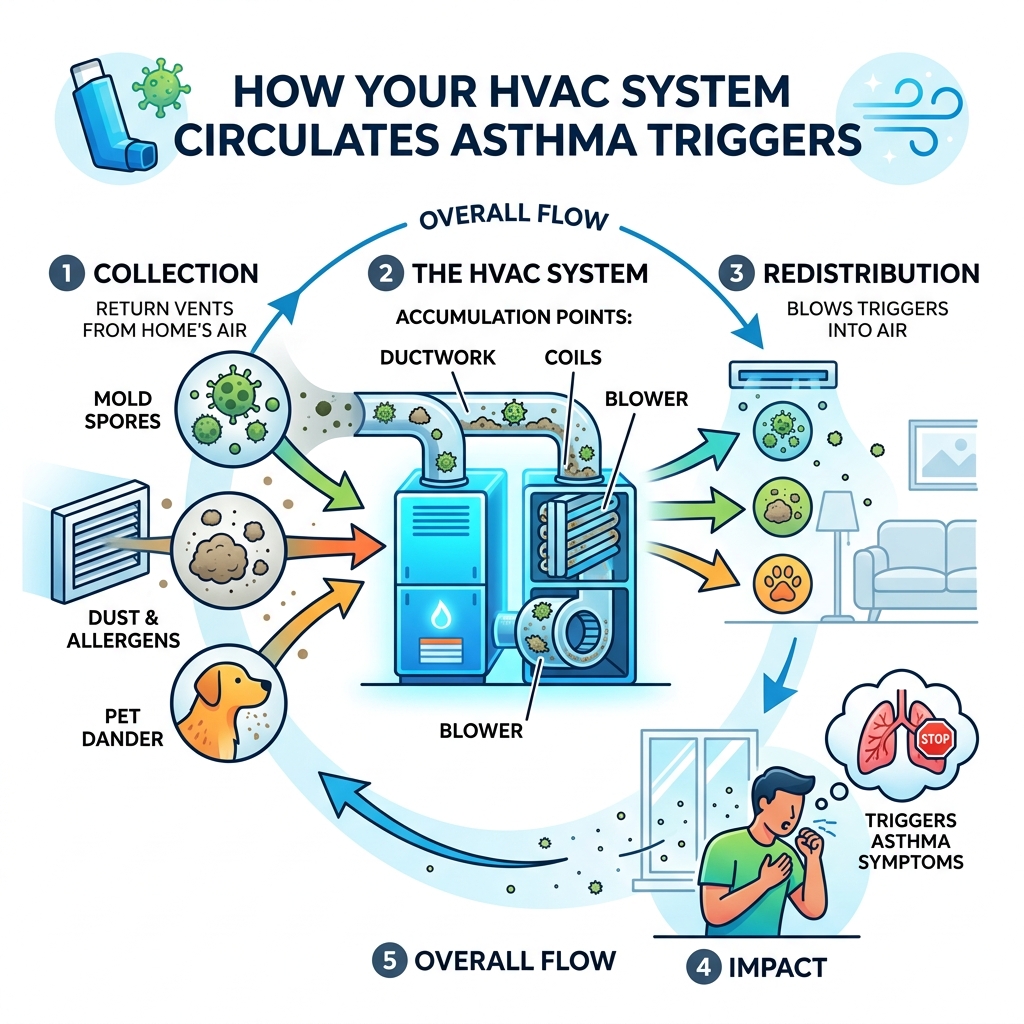
Here’s a striking fact: 75% of US homes have ducted forced-air heating, and 63% have central air conditioning. That means most American families are breathing air that has passed through a network of ducts — ducts that quietly collect dust, pollen, pet dander, mold spores, and bacteria over time.
Those hidden contaminants don’t just sit there. Every time your HVAC system kicks on, they get pushed right into the air you breathe.
For people with asthma, that’s a real problem. Indoor air quality is one of the most overlooked factors in managing asthma symptoms day to day. Yet simple steps — like cleaning and sanitizing your vents — can meaningfully cut down on the triggers circulating through your living space.
This guide walks you through everything: what vent sanitizing actually involves, when it’s worth doing, what the EPA says, and what alternatives (like HEPA filters) may work even better.
Air Vent Sanitizing vs. Regular Duct Cleaning
When we talk about maintaining a healthy home, it is easy to get confused by the industry jargon. Most people are familiar with “air duct cleaning,” but “sanitizing” is a different beast altogether.
Regular air duct cleaning is a mechanical process. Think of it like vacuuming your carpet. Professionals use high-powered vacuums, compressed air, and specialized brushes to physically dislodge and remove dust, dirt, and debris from the interior of your ductwork. This is essential for maintaining airflow and removing the bulk of the “gunk” that accumulates over 3 to 5 years.
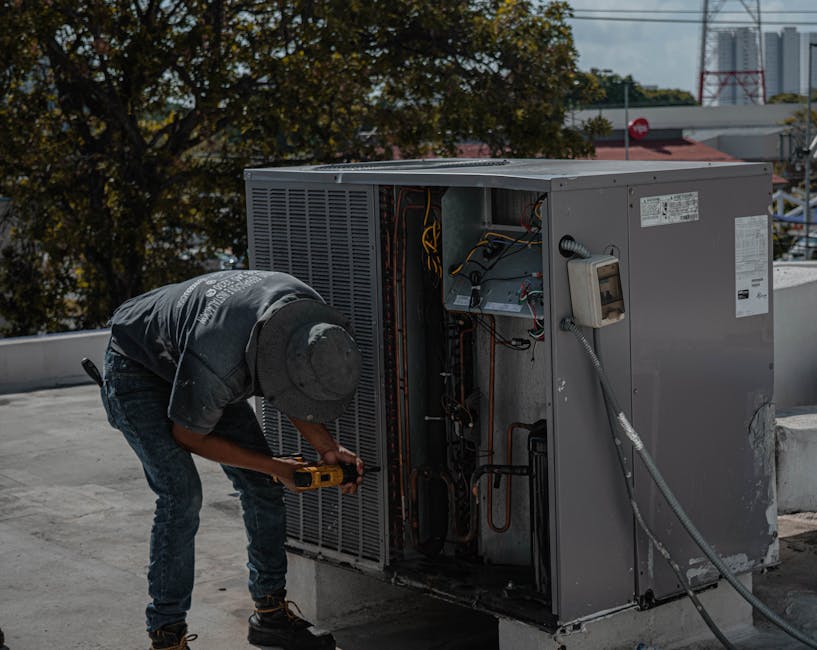
Air vent sanitizing, on the other hand, is an additional step that involves applying chemical biocides or antimicrobial treatments to the internal surfaces of the HVAC system. While cleaning removes the dirt, sanitizing aims to kill the microscopic organisms that might be left behind, such as mold, fungi, and bacteria.
According to EPA guidelines, these chemical treatments should only be used after a thorough mechanical cleaning. You wouldn’t spray disinfectant on a muddy floor without mopping first, right? The same logic applies to your vents.
If you are looking for a professional to handle this, it is vital to do your homework. We recommend finding a certified air duct cleaner who follows NADCA (National Air Duct Cleaners Association) standards to ensure the job is done safely and effectively. For a deeper dive into the basic cleaning process, check out this guide for improved air quality (2025).
Why You Should Sanitize Vents for Asthma Relief
For those of us living with asthma, the stakes are a bit higher. Our lungs are sensitive to even tiny amounts of biological pollutants. Sanitizing can be a powerful tool because it targets the “hidden reservoirs” of triggers that a vacuum might miss.
- Eliminating Mold Spores: Mold loves dark, damp environments—exactly what you might find in an HVAC system during a humid summer. Sanitizing helps kill these spores before they can be blown into your bedroom.
- Stopping Bacteria Spread: HVAC systems can sometimes become breeding grounds for bacteria. Sanitizing creates an environment where these microorganisms struggle to survive.
- Reducing Allergen Load: By neutralizing biological agents, we reduce the overall “toxic load” on the immune system. When your body isn’t fighting off invisible mold spores, it may be less reactive to other triggers like pollen or pet dander.
We always emphasize guarding your child’s health from indoor hazards, as children’s developing lungs are particularly susceptible to the microscopic irritants found in neglected ductwork.
When to Sanitize Vents for Asthma
Is it always necessary to sanitize vents for asthma? Not necessarily. While regular cleaning is a great maintenance habit, sanitizing is usually reserved for specific situations where biological contamination is a known or suspected threat.
We generally recommend sanitizing in the following scenarios:
- Visible Mold Growth: If you see “fuzzy” patches on your vent covers or inside the ducts, cleaning alone isn’t enough. You need to kill the roots of the mold.
- Vermin or Pest Infestations: If rodents or insects have made a home in your ducts, they leave behind droppings and pheromones that are major asthma triggers. Sanitizing helps neutralize these biological remnants.
- Excessive Dust and Debris: If your home has been through a major renovation, the amount of drywall dust and construction debris can be overwhelming. This dust often traps moisture and becomes a home for bacteria.
- Musty Odors: If a “locker room” smell wafts through the house whenever the AC kicks on, it’s a sign that biological growth is occurring somewhere in the system.
To help you decide, here is a quick comparison:
| Trigger | Cleaning Recommended? | Sanitizing Recommended? |
|---|---|---|
| Light Household Dust | Yes | No |
| Visible Mold | Yes | Essential |
| Rodent Droppings | Yes | Highly Recommended |
| Post-Construction Dust | Yes | Optional |
| Pet Dander Buildup | Yes | Optional |
Understanding indoor air quality issues and their impact on kids is crucial, as children spend a significant amount of time indoors where these triggers are most concentrated.
Risks and Limitations of Chemical Biocides
While we want the cleanest air possible, we must be careful about how we get there. The EPA raises several cautionary flags regarding the use of chemical biocides in HVAC systems.
First, there are currently no EPA-registered biocides specifically approved for use on fiberglass-lined ducts or fiberglass duct board. These porous materials can soak up chemicals, potentially releasing volatile organic compounds (VOCs) into your home over a long period. This could actually worsen asthma symptoms for some people!
Second, even on sheet metal ducts, the biocide must be applied correctly. If a technician offers to “fog” your ducts with a sanitizer without cleaning them first, walk away. The chemical won’t reach the surface through the dust, and you’ll just end up with a sticky, medicated mess.
For more on why this balance is important, read about why you need to clean air vents for allergies.
Effective Alternatives and Maintenance Strategies
If the idea of chemicals in your vents makes you nervous, don’t worry! There are incredibly effective, non-chemical ways to manage asthma triggers in your HVAC system. In many cases, these alternatives provide more consistent relief than a one-time sanitizing treatment.
The Power of High-Efficiency Filtration
The single most effective thing you can do for your HVAC system is to use high-quality filters.
- MERV Ratings: Look for filters with a MERV (Minimum Efficiency Reporting Value) rating of 11 to 13. These are dense enough to catch mold spores, pet dander, and even some bacteria without putting too much strain on your system’s motor.
- HEPA Filters: True HEPA (High-Efficiency Particulate Air) filters can remove 99.7% of particles as small as 0.3 microns. While most standard HVAC systems aren’t powerful enough to pull air through a HEPA filter, you can use portable HEPA air purifiers in bedrooms.
Studies show that air filtration is the fourth most commonly implemented strategy in asthma management. In one study of children with atopic asthma, using HEPA air cleaners reduced symptomatic days significantly.
Moisture Control
Mold cannot grow without water. To prevent the need for future sanitizing, keep your home’s humidity between 30% and 50%. Fix any roof or pipe leaks immediately, and ensure your AC condensate pan is draining properly. Don’t let your furnace choke on allergies by ignoring these basic maintenance steps.
For those in smaller spaces or specific rooms, compact air purifiers for allergies can offer a targeted solution without the need for whole-house duct work.
How to Sanitize Vents for Asthma at Home
While deep duct sanitizing should be left to the pros, you can certainly take charge of the “end-points”—your vent covers and the immediate area inside the registers. Here is our recommended DIY routine:
- Safety First: Turn off your HVAC system at the thermostat. Wear a mask and gloves to avoid inhaling dust.
- Remove Vent Covers: Use a screwdriver to remove the registers.
- The Deep Soak: Take the metal or plastic covers to a sink or bathtub. Scrub them with warm, soapy water. If you suspect mold, a solution of 1 part white vinegar to 1 part water is a safe, asthma-friendly disinfectant.
- Vacuum the Reachable Area: Use a vacuum with a HEPA filter and a long hose attachment to suck out dust from the first few feet of the duct.
- Microfiber Dusting: Wipe the interior of the duct opening with a damp microfiber cloth. Microfiber is excellent at “grabbing” dust rather than just pushing it around.
- Dry Thoroughly: Never put a damp vent cover back on. Moisture trapped behind the cover is an invitation for mold.
- Replace Filters: Finish by installing a fresh, high-MERV filter.
For more hands-on advice, check out our home ventilation cleaning tips and these dusting tips for better air quality.
Frequently Asked Questions about Vent Sanitizing
How often should I sanitize vents for asthma?
The National Air Duct Cleaners Association (NADCA) generally suggests a professional cleaning every 3 to 5 years. However, if you have severe asthma, pets that shed heavily, or live in a very humid climate, you might want to consider an inspection every 2 years. You can find more details on how often to clean AC vents in our dedicated guide.
Does the EPA recommend sanitizing air ducts?
The EPA does not recommend routine duct cleaning or sanitizing for everyone. They suggest it only when “needed”—such as when there is visible mold, vermin, or clogs. They remain cautious about chemical biocides, emphasizing that the effectiveness of these chemicals in preventing health problems has not been fully demonstrated in a residential setting.
Can I use household bleach to sanitize vents?
We strongly advise against using bleach inside your ductwork. Bleach fumes are a major asthma trigger (strong odors and VOCs). Furthermore, bleach is corrosive to metal and can damage your HVAC system. Stick to mild soap, vinegar, or EPA-registered products specifically designed for HVAC use.
Conclusion
At Computadora Agora, we believe that your home should be your sanctuary, not a source of respiratory stress. While the decision to sanitize vents for asthma depends on your specific home environment—like the presence of mold or recent renovations—the goal is always the same: cleaner, safer air for you and your family.
By combining professional cleaning when necessary with high-efficiency filters and regular DIY maintenance, you can significantly reduce the triggers that lead to asthma attacks. A healthy home starts with the air you can’t see.
Ready to take the next step in your home health journey? Breathe easier with our expert cleaning tips and discover more ways to optimize your indoor environment for better sleep and better health.
