
Why Every Homeowner Needs to Think About Dryer Vent Maintenance
Dryer vent maintenance is one of the most important — and most overlooked — home safety tasks you can do. Here’s a quick summary of what you need to know:
- Clean your lint trap after every single load
- Deep clean the full vent system at least once a year (every 6 months if you do heavy laundry)
- Watch for warning signs like longer drying times, burning smells, or hot clothes coming out of the dryer
- DIY cleaning works for most homes with a simple brush kit and vacuum
- Hire a professional for complex vent runs, roof exits, or stubborn blockages
Most people clean their lint trap and call it a day. But lint doesn’t stop there. Every cycle pushes tiny fibers past the trap and deeper into the vent duct. Over time, that buildup restricts airflow, traps heat, and creates a real fire risk in your home.
Local fire departments responded to nearly 14,000 dryer fires per year between 2014 and 2018 — and about one-third of those fires were caused by clogged vents full of lint and debris.
It’s not just about fire, either. A clogged vent makes your dryer work harder, costs you more on energy bills, and shortens the life of your appliance. A load that used to dry in 40 minutes can stretch to 70 minutes or require a second cycle when the vent is blocked.
The good news? Dryer vent maintenance is straightforward. With the right tools and a little time, you can keep your home safer, your air cleaner, and your dryer running efficiently — all in about an hour.
Why Dryer Vent Maintenance is Essential for Home Safety
When we think about home maintenance, we often focus on things we can see—like mowing the lawn or dusting tips for better air quality. However, the dryer vent is a “hidden” system that can become a major liability if ignored.
The primary concern is fire safety. Lint is incredibly flammable; it is essentially a collection of tiny, dry tinder fibers. When this lint builds up in the ductwork, it restricts airflow. This restriction causes the dryer to overheat. When you combine high heat with a highly combustible material like lint, you have a recipe for a house fire. According to national statistics, dryer fires cause millions in property damage every year, and the leading cause is a failure to clean the vent.
Beyond the immediate fire risk, poor dryer vent maintenance impacts your home’s air quality and safety in other ways. For those with gas dryers, a clogged vent can lead to a backup of carbon monoxide. If the exhaust cannot escape through the vent, these dangerous fumes can seep back into your living space. This aligns with the concerns we discuss regarding the silent threat: smoke and chemicals in domestic spaces, where poor ventilation leads to a buildup of harmful substances.
Furthermore, how to clean your dryer vent for safety and efficiency isn’t just a safety tip—it’s a financial one. A clean vent can reduce drying times by up to 20%. When your dryer runs for shorter periods, you consume less electricity or gas, lowering your monthly utility bills and extending the lifespan of your appliance. A dryer that has to work twice as hard to push air through a wall of lint will burn out its heating element or motor much faster than one with clear passage.
Recognizing the Signs Your Dryer Vent Needs Cleaning
How do you know when it’s time to stop procrastinating and grab the vacuum? Your dryer will usually tell you, but you have to know what to listen (and smell) for.
- Increased Drying Times: This is the most common red flag. If a load of towels that used to take 45 minutes now requires two full cycles or 90 minutes to dry, your vent is likely restricted.
- The Burning Smell: If you notice a faint (or strong) smell of something scorching while the dryer is running, stop it immediately. This is often the smell of lint trapped in the heating element area getting too hot.
- The “Hot to the Touch” Exterior: While dryers get warm, the top of the machine or the laundry room itself shouldn’t feel like a sauna. If the dryer is excessively hot to the touch, the heat isn’t exhausting properly.
- Damp or Musty Clothes: When airflow is blocked, moisture stays trapped in the drum. Your clothes might come out feeling slightly damp or smelling like mildew.
- Visible Debris: Check the exterior vent flap outside your house. If you see lint poking out of the edges or if the flap doesn’t open when the dryer is running, you have a significant clog.
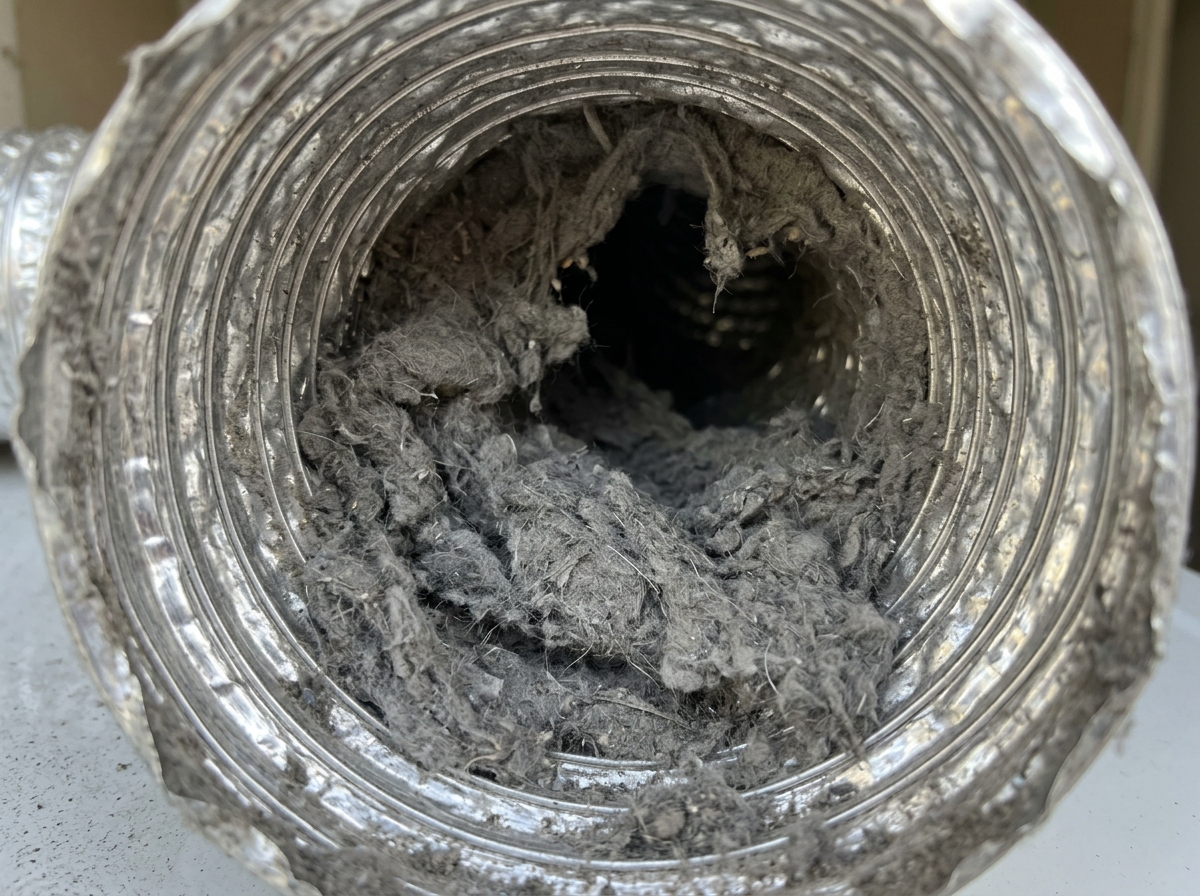
Ignoring these signs doesn’t just hurt your dryer; it can contribute to dust and allergens in your apartment. When the dryer can’t exhaust properly, fine dust particles can be pushed back into your home’s air, aggravating allergies and respiratory issues.
How to Clean Your Dryer Vent: A Step-by-Step DIY Guide
Cleaning your dryer vent is a satisfying DIY project that usually takes about an hour. It doesn’t require an engineering degree, just a bit of patience and the right tools. We recommend following this process as part of your DIY home cleaning for better air routine.
Step 1: Preparation and Safety
First, safety first. Unplug the dryer from the wall outlet. If you have a gas dryer, turn off the gas supply valve to prevent any accidental leaks while you are moving the machine. Pull the dryer away from the wall so you have enough room to work behind it.
Step 2: Disconnect the Duct
Use a screwdriver or nut driver to loosen the clamps holding the vent hose to the back of the dryer and the wall. Gently pull the hose away. This is usually where you’ll find the first “lint mountain.”
Step 3: Vacuum the Internals
Using a vacuum with a long hose attachment, suction out as much lint as possible from the hole in the back of the dryer and the entry point in the wall. You can also reach into the lint trap housing (where the screen sits) with a thin brush or vacuum tool to clear out debris that fell below the screen.
Step 4: The Deep Brush Clean
This is the core of dryer vent maintenance. Take your dryer vent brush kit—which usually consists of a brush head on a long, flexible rod—and feed it into the ductwork in the wall. If you have a drill-attached kit, use it on a low speed to spin the brush as you feed it through. Move it back and forth to dislodge lint stuck to the sides of the pipe.
Step 5: Clean the Exterior Vent
Go outside and locate the exhaust vent. Remove the cover if possible and use the brush or vacuum to clear out any lint from this end. This is also a great time to make sure no birds or small critters have tried to make a home in your warm vent!
Step 6: Reattachment and Testing
Head back inside. Reconnect the duct to the dryer and the wall, ensuring the clamps are tight. Push the dryer back into place, being careful not to crush or kink the hose. Plug it in (and turn the gas back on). Run the dryer on an “Air Dry” or “Fluff” cycle for 15-20 minutes. This will blow out any remaining loosened dust and confirm that the airflow is strong.
Essential Tools for Dryer Vent Maintenance
To do the job right, we suggest having these items ready:
- Vacuum with Hose Attachments: A shop vac is ideal for high suction.
- Dryer Vent Brush Kit: These are inexpensive and can extend up to 20 feet or more.
- Screwdriver/Nut Driver: To loosen vent clamps.
- Gloves and Safety Goggles: Cleaning vents is a dusty job; protect your hands and eyes.
- UL-Listed Duct Tape: If you notice small gaps in the metal piping, use this (not standard silver “duct” tape) to seal them.
Common Mistakes to Avoid During Dryer Vent Maintenance
While DIY is great, avoiding these common pitfalls will ensure your home stays safe:
- Using Leaf Blowers: Some people try to “blow out” the lint with a leaf blower. This can actually pack the lint tighter into corners or disconnect the ducting inside your walls, leading to a massive mess and a fire hazard.
- Neglecting the Exterior: If the outside flap is stuck shut, your dryer is essentially blowing into a wall. Always check the exit point.
- Improper Duct Materials: If you find white plastic or thin foil “accordion” hoses, replace them. These are often not up to modern fire codes because they trap lint easily and can melt. Rigid or semi-rigid metal ducting is the gold standard.
- Incomplete Cleaning: Don’t just clean the ends. The middle of the duct run is where the most dangerous clogs happen.
By avoiding these errors, you contribute to essential tips for preventing indoor air pollution by ensuring all combustion byproducts and dust are successfully moved outside.
Professional vs. DIY Dryer Vent Maintenance
Is it always better to do it yourself? Not necessarily. While most homeowners can handle a standard 5-to-10-foot run that goes straight out a side wall, some situations require a pro.
| Feature | DIY Cleaning | Professional Cleaning |
|---|---|---|
| Cost | Low (Cost of kit) | Moderate ($100 – $200) |
| Equipment | Standard brush/vacuum | High-powered air whips/industrial vacs |
| Reach | Limited (usually 12-20 ft) | Can handle 40+ ft runs |
| Safety Check | Visual only | Can inspect for leaks and code compliance |
| Time | ~1 Hour | 45 – 60 Minutes |
If your vent goes up through the roof or has multiple 90-degree bends inside the walls, a DIY brush kit might get stuck or fail to reach the main clog. Professionals use specialized equipment that “snakes” through complex turns and uses high-pressure air to ensure every inch is clear.
If you aren’t sure who to call, finding a certified air duct cleaner without getting taken to the cleaners is a great first step in ensuring you hire someone reputable who will do a thorough job.
Determining the Frequency of Dryer Vent Maintenance
How often should you be doing this? For most households, an annual cleaning is the standard recommendation. However, you should consider a 6-month schedule if:
- You have a large family and do laundry every day.
- You have pets that shed (pet hair is a major component of vent clogs).
- Your dryer vent run is longer than 15 feet.
- You notice your AC vents need cleaning more frequently due to high dust levels in the home.
Proactive Tips to Prevent Future Lint Buildup
The best way to handle dryer vent maintenance is to prevent the buildup from happening in the first place. Here are our favorite “proactive” hacks:
- The Golden Rule: Clean the lint screen after every single load. It takes five seconds and stops 90% of the debris before it enters the duct.
- Deep Clean the Screen: Every six months, wash your lint screen with warm soapy water and a soft brush. Dryer sheets can leave a waxy residue that makes the screen less permeable, even if it looks clean.
- Upgrade to Metal: If you are still using flexible foil or plastic hoses, swap them for semi-rigid metal. It has a smoother interior, which gives lint fewer places to snag. This is a core part of home ventilation cleaning tips.
- Install a Vent Guard: An exterior cage or guard prevents birds, squirrels, and mice from nesting in the vent. Just make sure to clean the guard itself occasionally!
- Don’t Overload: Cramming too many clothes into the dryer prevents proper airflow, which means more lint gets pushed into the duct instead of being caught by the screen.
- Clean the Washer, Too: Believe it or not, a clean washing machine helps. If your washer isn’t rinsing away excess fibers, they end up in the dryer. Keeping a best cleaning routine for a healthy home includes maintaining all appliances in the chain.
By staying on top of these small tasks, you can even stop the dust bunnies from flying off your ceiling fan and other surfaces by reducing the total volume of airborne lint in your home.
Frequently Asked Questions about Dryer Vent Maintenance
How often should I clean my dryer vent?
For most homes, once a year is perfect. If you have a large family, pets, or a very long vent run, we recommend checking it every six months. If you start noticing clothes taking longer to dry, don’t wait for the calendar—clean it immediately.
Can a clogged dryer vent really cause a house fire?
Yes, absolutely. Lint is one of the most flammable substances found in a home. When the vent is clogged, the dryer’s internal temperature can rise to dangerous levels, eventually igniting the lint trapped inside the machine or the duct. It is a leading cause of residential fires.
Is it safe to clean my own dryer vent if it goes through the roof?
We generally don’t recommend DIY cleaning for roof-vented dryers. It involves ladder safety risks and requires specialized tools to ensure the lint is actually removed rather than just pushed up toward the roof cap, which could cause a total blockage. This is a job for a professional.
Conclusion
Taking the time for regular dryer vent maintenance is one of the smartest moves you can make as a homeowner. It’s a rare “triple threat” of home improvement: it makes your home safer by preventing fires, saves you money by increasing energy efficiency, and helps your clothes last longer by reducing drying heat.
Whether you decide to tackle the job yourself with a vacuum and a brush kit or hire a professional to handle a complex duct run, the important thing is that it gets done. A clear vent means a clear mind, knowing that your laundry day is as safe as it is productive.
At Computadora Agora, we believe that a clean home is a healthy home. From your dryer vents to your air quality, staying proactive about maintenance is the key to a stress-free living environment.
Ready to take your home’s air quality to the next level? Explore our guide to Air Purifiers for a cleaner home environment and see how you can breathe easier every day.
