
Understanding Pet Dander and Allergy Symptoms
To succeed at controlling pet dander in home environments, we first need to understand what we are fighting. Many people believe they are allergic to pet hair, but the hair itself isn’t the primary allergen. The real culprits are microscopic proteins found in shed skin cells (dander), saliva, and urine.
When your pet grooms itself, saliva dries on the fur. As the pet moves, these dried proteins—along with tiny flakes of dead skin—flake off and become airborne. These particles are incredibly small and jagged, allowing them to stay suspended in the air for hours and hitch a ride on your clothing or furniture.
Specific proteins like Fel d 1 (found in cats) and Can f 1 (found in dogs) are the most common triggers. According to the Cleveland Clinic, these proteins are “sticky” and can linger in a home for four to six months even after a pet has moved out.
If you suffer from pet allergies, your immune system overreacts to these harmless proteins as if they were dangerous invaders. This can lead to:
- Allergic Rhinitis: Sneezing, runny or stuffy nose, and itchy, watery eyes.
- Contact Dermatitis: Itchy skin or hives where a pet has licked you or brushed against you.
- Asthma Triggers: For those with respiratory conditions, dander can cause chest tightness, wheezing, and shortness of breath.
Understanding these triggers is the first step in managing the unseen challenge: dust and allergens in your apartment.
The Myth of the Hypoallergenic Pet
We hate to be the bearers of “ruff” news, but science is clear: there is no such thing as a truly 100% hypoallergenic dog or cat. All warm-blooded animals produce skin cells and saliva. Even hairless breeds like the Sphynx cat or the American Hairless Terrier still produce the proteins that trigger allergies.
While some breeds are marketed as “low-shedding” (like Poodles or Bichon Frises), they still produce dander. The difference is often that their curly coats trap the dander against their skin rather than letting it fall all over the carpet. This might result in fewer airborne allergens, but the allergens are still present.
As noted by UPMC, individual variation is huge. Two dogs of the same breed can produce vastly different amounts of allergens. Furthermore, intact male cats tend to produce more Fel d 1 protein than females or neutered males. If you are sensitive, it is always best to spend time with a specific animal before bringing them home to see how your body reacts.
Effective Cleaning Strategies for Controlling Pet Dander in Home
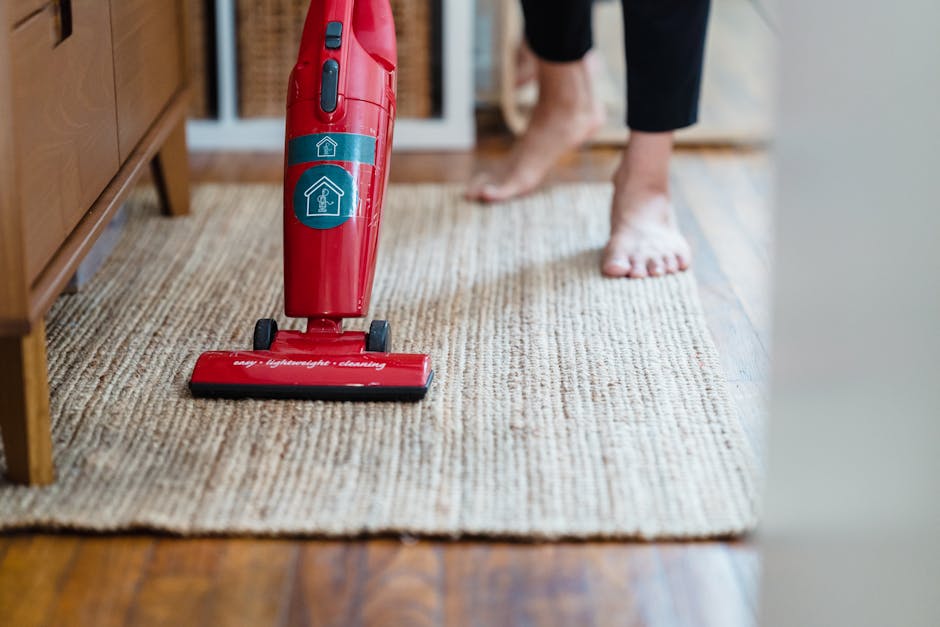
When it comes to controlling pet dander in home spaces, your cleaning routine is your best line of defense. Because dander is so small and sticky, traditional cleaning methods often just stir the allergens up into the air rather than removing them.
High-Efficiency Vacuuming
Your vacuum is your MVP (Most Valuable Power-tool). However, a standard vacuum without the right filtration can actually make things worse by sucking up dander and blowing it right back out through the exhaust. You must use a vacuum equipped with a HEPA (High-Efficiency Particulate Air) filter. These filters are designed to trap 99.97% of particles as small as 0.3 microns. We recommend checking out these vacuuming for allergen reduction tips to ensure you’re getting the most out of your machine.
The Power of Damp Dusting
Forget the feather duster! Dry dusting just launches pet dander into the air where you’ll breathe it in. Instead, use a damp microfiber cloth or static-charged wipes. The moisture traps the dander on the cloth so you can physically remove it from the home. This is one of our favorite cleaning tips for pet owners because it’s simple, cheap, and highly effective.
Flooring and Fabrics
If possible, ditch the wall-to-wall carpet. Research shows that carpets can contain 13 times more cat allergens than smooth floors like hardwood, tile, or linoleum. If you can’t remove the carpet, frequent steam cleaning and deep cleaning carpets to reduce allergens is essential.
For bedding and curtains, the “hotter the better” rule applies. Washing fabrics in water that is at least 130°F (54°C) is the gold standard for neutralizing allergens and killing dust mites.
Essential Tools for Controlling Pet Dander in Home
To keep your home a sanctuary, we suggest building a “Dander Defense Kit”:
- HEPA Vacuum: Use it at least twice a week.
- Static Cloths: Great for “grabbing” hair and dander from hard surfaces.
- Steam Mops: These sanitize floors without harsh chemicals that might irritate your pet’s skin.
- Microfiber Mops: Excellent for daily touch-ups on hard floors.
For more detailed advice on choosing the right gear, read about dust and allergens in your apartment: what you need to know.
Modifying Your Environment and Air Quality
Cleaning surfaces is only half the battle; we also need to clean the air. Controlling pet dander in home air involves both filtration and strategic “zoning.”
Create a Bedroom Sanctuary
We spend about a third of our lives in our bedrooms. If you have pet allergies, this should be a strictly pet-free zone. Keep the door closed at all times to prevent dander from settling on your pillows and mattress. If your pet has already been sleeping in your bed, it’s time for a deep clean of all linens and perhaps an allergen-proof mattress encasement.
HVAC and Air Filtration
Your home’s heating and cooling system can act as a giant dander-distribution machine. To prevent this, upgrade your furnace filters to a high MERV (Minimum Efficiency Reporting Value) rating, or better yet, a HEPA-rated filter if your system supports it.
In addition to whole-home filtration, portable air purifiers are a game-changer. Placing a unit in the bedroom and the living room can reduce allergen concentrations five to seven-fold. When shopping, look for compact air purifiers that tackle allergies and check the CADR (Clean Air Delivery Rate) to ensure it’s powerful enough for your room size.
According to the Asthma and Allergy Foundation of America, air cleaners with certified filters can remove almost 98% of allergen particles. You might also consider adding some cat-safe air purifying plants to help naturally refresh the air, though they won’t replace a HEPA filter for dander removal.
Humidity Control
Keep your home’s humidity levels below 50%. High humidity can make dander “heavy” and sticky, but more importantly, it encourages the growth of mold and dust mites, which often exacerbate pet allergies. A simple dehumidifier can help maintain the perfect balance.
Air Filtration Systems for Controlling Pet Dander in Home
- CADR Ratings: Always check the Clean Air Delivery Rate for smoke, dust, and pollen. Higher is better for pet owners.
- Placement: Place purifiers at least 3 feet away from walls for maximum airflow.
- Maintenance: Change your filters according to the manufacturer’s instructions—usually every 3 to 6 months in a pet household.
- Ventilation: As suggested by Allermi, opening windows for just 15 minutes a day can help flush out stale, dander-laden air.
Professional Pet Grooming and Care Tactics
The source of the dander is, of course, your pet. Therefore, managing the “source” is a critical part of controlling pet dander in home environments.
The 84% Reduction Rule
Research from Kaiser Permanente shows that bathing your cat or dog weekly can decrease the concentration of allergens by up to 84%. Use a gentle, pet-friendly shampoo that won’t dry out their skin, as dry skin leads to—you guessed it—more dander.
Grooming Outdoors
Never brush your pet inside the house if you can avoid it. Brushing releases a massive cloud of dander and loose fur. By grooming your pet in the backyard or on a balcony, you keep that “dander bomb” outside. If you must groom indoors, do it in a room with hard floors and run an air purifier on high during the process.
Daily Maintenance
- Paw Wipes: When your pet comes in from outside, wipe their paws and fur with a damp cloth. This removes dander and prevents them from bringing in outdoor allergens like pollen.
- Dietary Impact: A high-quality diet rich in Omega-3 fatty acids can improve your pet’s skin health, leading to less shedding and dander production.
- Healthy Skin: For more specific hygiene advice, check out cleaning tips for pet owners 2.
Frequently Asked Questions about Pet Allergies
Is there a truly hypoallergenic dog or cat?
As we discussed, no pet is 100% hypoallergenic. The term usually refers to breeds that shed less hair, which can help contain dander, but the allergenic proteins in saliva and skin are still present. According to National Jewish Health, even “hairless” breeds can cause severe reactions in sensitive individuals.
How often should I wash my pet’s bedding?
At a minimum, wash pet bedding once a week. Use the hottest water setting safe for the fabric (ideally 130°F). If your pet spends time on your sofa, use washable throws or covers and launder those weekly as well. This prevents dander from building up in the upholstery, which is much harder to clean than a removable cover.
When should I see a doctor for pet allergies?
If you’ve implemented all these home strategies and still find yourself reaching for the tissues every five minutes, it’s time to see a professional. You should seek medical advice if:
- Your symptoms interfere with your sleep or daily activities.
- You experience wheezing or shortness of breath (signs of asthma).
- Over-the-counter antihistamines are no longer effective.
- You want to explore long-term solutions like immunotherapy (allergy shots), which can help your body become less sensitive to pet proteins over time.
Conclusion
Controlling pet dander in home environments isn’t about a single “magic bullet” solution. It’s about consistency and a multi-layered approach. By combining frequent HEPA vacuuming, strategic air purification, and a dedicated grooming routine, you can create a home where humans and pets coexist in comfort.
We know that your pets are family, and rehoming is rarely an option people want to consider. The good news is that for the vast majority of allergy sufferers, these environmental controls are enough to make a massive difference.
Ready to take the next step toward a fresher, cleaner living space? We are here to help you navigate home wellness. Start your journey to a cleaner home today and breathe easier knowing your “paws-itive” lifestyle is supported by a dander-free environment.
