
Understanding the Chemical Composition of an Air Duster
When you pick up a can of what is commonly called “compressed air,” you might assume it contains the same stuff you’re breathing right now. In reality, a Gas duster is a complex chemical product. Because true liquid air requires extreme pressure and cryogenic temperatures to stay in a liquid state, manufacturers use compressible refrigerant gases instead.
Historically, the aerosol industry relied on Chlorofluorocarbons (CFCs), but after the implementation of the Montreal Protocol, manufacturers transitioned to Hydrofluorocarbons (HFCs). While HFCs do not deplete the ozone layer, they are potent greenhouse gases with high global warming potential. This historical context is crucial for understanding why the market is now shifting again toward HFOs and mechanical electric blowers that avoid chemical propellants altogether.
The most common propellants found in these cans include:
- HFC-134a (1,1,1,2-Tetrafluoroethane): This is a non-flammable gas often used in industrial-grade dusters. While it is safe for use on energized (live) equipment, it has a staggering Global Warming Potential (GWP) of 1,430. This means 1 kg of this gas has the same climate impact as 1,430 kg of CO2.
- HFC-152a (1,1-Difluoroethane): Frequently found in retail “canned air” products, this gas is flammable but has a much lower GWP of 124.
- HFO-1234ze: This is the “new kid on the block” in Removing Dust from Electronics. It is non-flammable and has a GWP of less than 1, making it the most environmentally friendly chemical option, though it is often more expensive.
- Hydrocarbons: Some dusters use butane or propane. These are highly flammable and essentially the same fuel used in camping stoves or lighters.

Propellant Comparison Table
| Propellant | Flammability | GWP (Global Warming Potential) | Internal Pressure (PSI @ 20°C) |
|---|---|---|---|
| HFC-134a | Non-flammable | 1,430 | 71 PSI |
| HFC-152a | Flammable | 124 | 63 PSI |
| HFO-1234ze | Non-flammable | < 1 | 47 PSI |
| Hydrocarbons | Highly Flammable | ~3 | Variable |
The Hidden Dangers of Traditional Canned Air
While an air duster is effective at blowing crumbs out of a keyboard, it carries risks that many users overlook. One of the most immediate physical dangers is frostbite. Because these gases exist as liquids under pressure, they undergo a massive temperature drop when they expand into a gas. If you tilt the can more than 40 degrees or shake it, you might spray actual liquid propellant. This liquid can reach temperatures cold enough to cause instant “cold burns” or frostbite on your skin and can even crack sensitive plastic components or solder joints on a circuit board.
Beyond the physical risks, there are significant health and safety concerns:
- Inhalant Abuse and Bitterants: Because some of these gases have psychoactive effects, they are unfortunately targeted for inhalant abuse (“huffing”). To combat this, many retail brands add bittering agents (like denatonium benzoate). While this deters abuse, it can leave a nasty, bitter residue on your hands or your electronics that lingers for days.
- Air Quality: Blasting chemicals in an enclosed space isn’t ideal for your lungs. For those focusing on Dusting Tips for Better Air Quality, chemical propellants are a step backward compared to simple moving air.
- Explosion Risks: If you use a flammable duster (like those containing HFC-152a or hydrocarbons) near a spark, a lit cigarette, or inside a running computer where a fan motor might spark, you risk a flash fire or explosion.
- Residue Issues: While pure propellants are supposed to evaporate completely, low-quality retail dusters can sometimes leave behind oily contaminants that actually attract more dust over time, defeating the purpose of cleaning.

Top Benefits of Rechargeable Alternatives
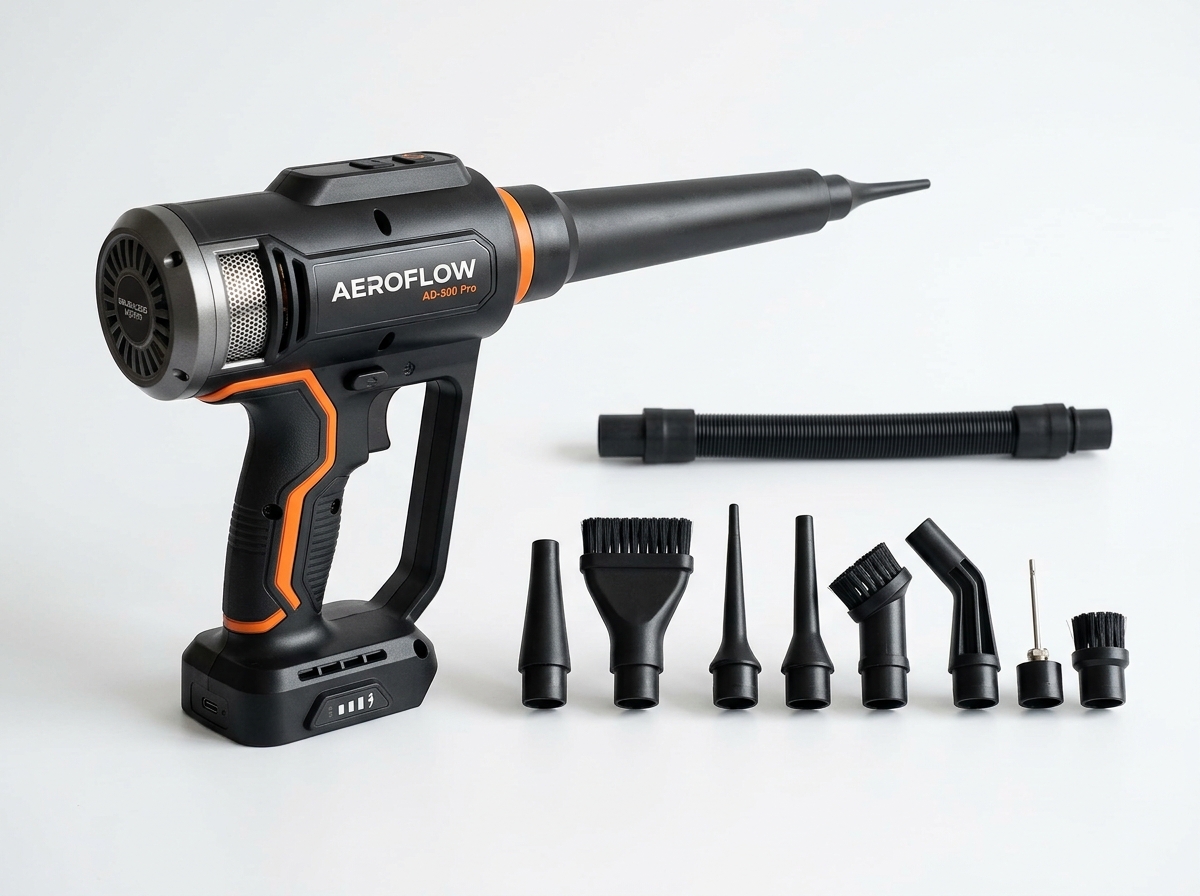
If you are tired of the “freeze-and-fail” cycle of canned air, a rechargeable air duster is a revelation. These devices are essentially high-powered, handheld mini-blowers. Instead of relying on a chemical reaction, they use a high-speed brushless motor to pull in ambient air and blast it out through a concentrated nozzle.
The performance of these devices is measured in RPM (revolutions per minute). While a cheap hair dryer might move a lot of air at low pressure, a dedicated electronic air duster can reach speeds of 150,000 to 200,000 RPM. This creates a focused jet of air with a velocity of over 11 meters per second—plenty of force to dislodge even the most stubborn metallic oxide deposits or lint.
Furthermore, the integration of lithium-ion technology has revolutionized these tools. Most high-end models now feature USB-C charging ports, making them compatible with the chargers you already own for your smartphone or laptop. A full charge typically offers between 30 and 60 minutes of runtime, which is more than enough to clean multiple workstations or a complex server rack without needing a recharge.
When you switch to an electric version, you also gain the benefit of Microfiber Cloth Dusting Guide integration. You can blow the dust out of the crevices and then easily wipe down the surfaces, knowing you aren’t fighting against chemical residues or moisture.
Why You Should Switch to a Rechargeable Air Duster
- Cost-Efficiency: A single high-quality electric duster might cost as much as a 6-pack of canned air, but it will last for years. You’ll never have to run to the store because you “ran out of air” in the middle of a PC build.
- Constant Pressure: Canned air loses pressure as the can gets cold (the “freeze-up” effect). An electric duster provides 100% power from the first second to the last.
- Versatility: Most rechargeable models come with 3-speed settings. This allows you to use a gentle breeze for Cleaning Indoor Plants for Dust or a high-powered blast for car detailing and cleaning out heavy-duty server racks.
- Eco-Friendly: You aren’t contributing to the 124 kg of CO2 equivalent that comes from just 1 kg of HFC-152a. You are simply moving the air that’s already in the room.
Frequently Asked Questions
Navigating dusters can be confusing, especially with all the technical jargon. Here are the answers to the most common questions we hear from our community.
How to Safely Use an Air Duster
Whether you are using a traditional can or an electric version, safety comes first. For canned versions, always hold the can in an upright position. Shaking the can is a common mistake; it actually increases the risk of liquid propellant being expelled. Use short bursts (1-2 seconds) to prevent the can from freezing up and losing pressure.
If you are cleaning “energized” equipment (electronics that are plugged in and turned on), you must use a non-flammable air duster (HFC-134a or HFO-1234ze). However, for maximum safety, we always recommend powering down and unplugging devices before cleaning. This also helps prevent static build-up, which can occasionally occur when dry gas moves quickly over plastic surfaces. This static discharge, while usually harmless to humans, can potentially damage sensitive microchips if not handled carefully. For more on maintaining a healthy home environment, check out these Essential Tips for Preventing Indoor Air Pollution.
Is the gas in an air duster flammable?
It depends entirely on the propellant. Retail dusters using HFC-152a or hydrocarbons are highly flammable. If you spray these into a space with an ignition source, you risk an explosion. Industrial-grade dusters using HFC-134a are non-flammable, but they have a high environmental impact. Rechargeable electric dusters are the only option that is 100% non-flammable because they don’t use gas at all!
What is the shelf life of canned air?
Surprisingly, an air duster can have a shelf life of up to 10 years if the can is stored in a cool, dry place and the valve remains intact. However, over time, the internal pressure can slowly leak if the seal is damaged. If you find an old can in your closet, check the bottom for a batch code (usually in a YYDDD format) to determine its age. If the can shows signs of rust or bulging, dispose of it immediately. Proper storage is key to ensuring the aerosol remains effective and safe for use over its entire lifespan.
What is the difference between industrial and retail grade?
Industrial dusters, like those from Techspray or Chemtronics, are usually “high-purity.” They do not contain bitterants, which makes them safer for sensitive medical or telecommunication equipment where residue could cause a malfunction. Retail versions are cheaper and easier to find at stores like Home Depot or Harbor Freight, but they almost always contain bitterants and flammable propellants. Choosing the right grade depends on whether you are cleaning a simple keyboard or a multi-million dollar server array.
Conclusion
At Computadora Agora, we believe that the tools you use to maintain your technology should be as advanced as the technology itself. While traditional canned air duster products have served us for decades, the environmental impact, safety risks, and recurring costs make them an outdated choice for the modern home.
By investing in a rechargeable electric duster, you aren’t just getting a more powerful cleaning tool; you’re choosing a more sustainable and safer way to keep your electronics in top condition. Whether you’re a hardcore PC gamer, a car enthusiast, or just someone who wants a dust-free home, making the switch is one of the easiest “green” upgrades you can make.
For more expert advice on keeping your space pristine, explore our full range of Cleaning Tips. Stop throwing money away on cans of gas and start blowing the dust away the smart way!
