
Why Dust Is Quietly Destroying Your Electronics
Compressed air duster is one of the most effective tools for blasting dust out of keyboards, computers, and other electronics — without moisture, scratching, or damage.
Best compressed air dusters at a glance:
| Type | Best For | Key Advantage |
|---|---|---|
| Canned HFC-152a duster | Quick, portable cleaning | Lightweight, ready to use |
| Canned HFO-1234ze duster | Eco-conscious users | Very low global warming potential |
| Electric cordless duster | Frequent, heavy-duty use | Reusable, no refills needed |
| 360° invertible canned duster | Hard-to-reach spots | Sprays at any angle, even upside down |
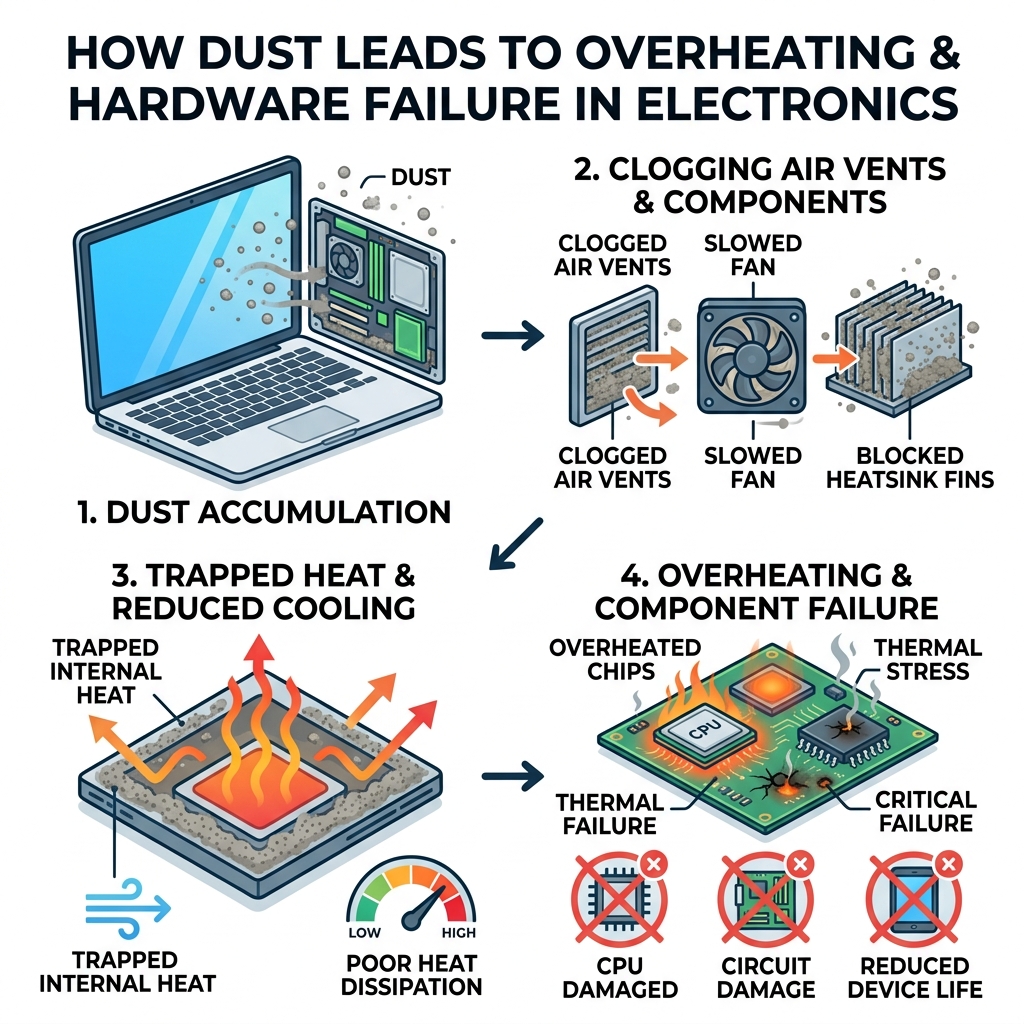
Dust doesn’t just look bad. It silently clogs vents, smothers fans, and causes your devices to overheat. Over time, that buildup can shorten the life of your hardware significantly.
Here’s the thing most people don’t realize: that can labeled “compressed air” on the shelf? It’s not actually air. It contains pressurized gas — typically a refrigerant like HFC-152a or HFC-134a — that expands rapidly when released, blasting debris off sensitive surfaces without touching them.
For health-conscious households, this matters. Dusty electronics recirculate allergens and particles into the air your family breathes every day.
The good news? A quality compressed air duster makes cleaning fast, simple, and safe — no professional needed.
Understanding the Power of a Compressed Air Duster
When we talk about a Gas duster, we are technically talking about a can filled with a liquified gas that turns into a high-pressure vapor when you pull the trigger. It’s a common misconception that these cans are filled with the same air we breathe. In reality, oxygen and nitrogen require extreme pressures and temperatures to stay liquid in a small can, which would make them dangerous and expensive for home use.
Instead, manufacturers use specific propellants that sit in a liquid state under moderate pressure. The most common gases you will find inside a compressed air duster include:
- HFC-152a (1,1-Difluoroethane): This is the most common gas found in retail “canned air.” It is effective and relatively inexpensive, though it is flammable.
- HFC-134a (1,1,1,2-Tetrafluoroethane): Often used in industrial or professional settings because it is non-flammable. However, it has a much higher impact on the environment.
- HFO-1234ze: A newer, eco-friendly alternative that is non-flammable and has a near-zero global warming potential.
- HFC-143a: Occasionally found in specialized mixtures, though less common due to its extremely high global warming potential.
These gases are chosen because they are “ultra-pure.” Unlike a standard air compressor you might find in a garage, which can spit out oil or moisture, a professional-grade Aerosol Duster is filtered (often down to 0.2 microns) to ensure no contaminants touch your sensitive circuit boards.

How to Use a Compressed Air Duster Safely
Using a compressed air duster seems straightforward, but there is a bit of a “science” to doing it right without damaging your gear. If you’ve ever seen a white, icy frost spray out of the nozzle, you’ve seen what happens when the liquid propellant escapes before it has a chance to turn into gas.
To keep your electronics safe, follow these golden rules:
- Keep it Upright: Never tilt the can more than 40 degrees. If you flip it upside down, you will spray liquid refrigerant instead of gas. This liquid is incredibly cold and can cause “thermal shock” to sensitive components or even cause frostbite on your skin.
- Use Short Bursts: We recommend spraying in quick, one-second pulses. If you hold the trigger down for too long, the can will become freezing cold, the pressure will drop, and you’ll lose your cleaning power.
- Clear the Valve First: Before pointing the nozzle at your expensive laptop, point it away and give it a quick “test spray” to ensure no liquid is sitting in the valve.
- The Extension Tube is Your Friend: Use the thin straw to reach deep into heat sinks and between keyboard keys. This focuses the 80+ PSI of blasting power exactly where you need it.
For a deeper dive into the specifics of hardware maintenance, check out our guide on removing-dust-from-electronics.
Canned Gas vs. Electric: Comparing Your Options
In recent years, we have seen a massive rise in the popularity of electric “air dusters.” These are handheld, rechargeable blowers that use high-speed motors to move air. While they don’t use chemical propellants, they offer a different kind of power.
When choosing between the two, it helps to look at the numbers. Traditional canned air can reach a maximum pressure of about 145 PSI (10 bar) at room temperature. On the other hand, electric models are measured by their motor speed (RPM).
| Feature | Canned Air Duster | Electric Air Duster |
|---|---|---|
| Initial Cost | Low ($6 – $15 per can) | Higher ($30 – $90) |
| Power Source | Chemical Propellant | Rechargeable Battery (e.g., 7500mAh) |
| Speed/Force | High instantaneous blast | Sustained 91,000 to 200,000 RPM |
| Portability | Excellent (no cords/charging) | Good (cordless models available) |
| Sustainability | Single-use cans | Multi-year lifespan |
Modern electric dusters, like those from NEXPOW or FOUKUS, operate at staggering speeds—sometimes up to 200,000 RPM. These devices are fantastic for heavy-duty cleaning sessions where you might otherwise go through three or four cans of gas in one sitting.
Key Features of a High-Performance Compressed Air Duster
If you decide to stick with the classic canned version, not all cans are created equal. If you are cleaning high-end photography gear or medical equipment, you want features that go beyond the basic “dust-off” variety.
- Variable Pressure Triggers: Some professional models, like the Ultrajet® All-Way Compressed Gas Duster, allow you to control the force. This is vital when cleaning delicate fan blades that could snap under too much pressure.
- 360-Degree Spraying: Products like the GUST™ 360° Compressed Air Duster use a specialized valve that allows you to spray at any angle—even completely upside down—without leaking liquid. This is a game-changer for cleaning the underside of a car dashboard or a cramped PC case.
- Non-Conductive and Moisture-Free: For electronics, this is non-negotiable. You want a duster that is guaranteed to be “dry” so it won’t cause a short circuit if there is still a residual charge in your device.
Environmental Impact and Health Risks of Propellants
We believe in being transparent about the tools we use. While compressed air duster is incredibly helpful, it does come with environmental and health considerations.
The primary concern is Global Warming Potential (GWP). This is a measure of how much heat a greenhouse gas traps in the atmosphere compared to CO2.
- HFC-134a: GWP of 1,430 (1 kg of this gas is as damaging as 1,430 kg of CO2).
- HFC-152a: GWP of 124.
- HFO-1234ze: GWP of less than 1.
Because of these numbers, many users are switching to the 152a Blast – Air Duster, which has 1/10th the global warming impact of older formulas.
Safety Precautions and Proper Disposal
Beyond the environment, there are immediate safety risks to keep in mind.
- Inhalant Abuse: Unfortunately, some people attempt to “huff” the gases in these cans to get high. This is extremely dangerous and can lead to permanent brain damage or sudden heart failure. To prevent this, many manufacturers add a bittering agent (like denatonium benzoate) that makes the spray taste incredibly foul. However, be careful: bitterants can leave a slight residue on sensitive optical lenses.
- Frostbite: As mentioned, the liquid propellant can drop to -50°F instantly. Never spray toward your skin or your pets.
- Flammability: If you are using an HFC-152a duster, ensure the device you are cleaning is powered off and unplugged. A spark from a motor can ignite the gas.
When the can is empty, don’t just toss it in the trash. According to EPA guidelines, once a can is “RCRA-empty” (meaning you’ve released all the pressure), it can often be recycled as scrap metal. Always check your local regulations first. For more tips on maintaining a healthy home environment, see our dusting-tips-for-better-air-quality guide.
Effective Alternatives for Cleaning Electronics
Sometimes, a compressed air duster isn’t the only tool you need. For large surfaces like monitor screens or the outside of a laptop lid, air might just move the dust around rather than removing it.
We recommend a multi-layered approach:
- Microfiber Cloths: These are perfect for screens. They “grab” the dust instead of blowing it into the air. Read our microfiber-cloth-dusting-guide to learn how to keep them clean.
- HEPA Vacuums: Small, specialized vacuums with HEPA filters are great for keyboards, as they suck the debris out rather than pushing it deeper under the keys.
- Anti-Static Brushes: These are essential for loosening stubborn “caked-on” dust from circuit boards before you blast it away with air.
Interestingly, even the plants in your home can help manage dust levels! Keeping your greenery clean helps them act as natural air filters. We have a full guide on cleaning-indoor-plants-for-dust if you want to go green.
When to Choose a Reusable Compressed Air Duster
If you find yourself reaching for a can of air every single week, it might be time to invest in a reusable electric duster. While the upfront cost is higher, the long-term savings are significant.
A single can of air might last for 10 to 15 minutes of continuous spraying. A rechargeable duster with a 7500mAh battery can often run for 30 minutes or more on a single charge and can be recharged thousands of times via USB-C.
Reusable options are also great for non-electronic tasks. Have you ever tried to clean a ceiling fan? It’s a mess. Using a sustained blast of air can help, but we have even better tricks in our article on how to stop-the-dust-bunnies-from-flying-off-your-ceiling-fan.
Conclusion
At Computadora Agora, we know that your electronics are an investment. Whether it’s a high-end gaming rig or a home office laptop, keeping it clean is the simplest way to ensure it lasts for years. A compressed air duster is an essential part of that maintenance kit.
By choosing the right type of duster—whether it’s an eco-friendly HFO-1234ze can for occasional use or a high-RPM electric blower for your weekly deep cleans—you are taking a proactive step in hardware longevity.
Remember: stay upright, use short bursts, and never ignore the dust bunnies. For more professional advice on keeping your home and tech in top shape, visit our category for more expert cleaning tips.
Frequently Asked Questions about Compressed Air Dusters
Does a compressed air duster leave residue? Pure propellants like HFC-134a and HFC-152a are 100% volatile, meaning they evaporate completely without leaving a trace. However, consumer-grade cans with added bittering agents can leave a bitter residue. If you are cleaning sensitive optics or sensors, look for “industrial” or “cleanroom” grade dusters that are bitterant-free.
Can I shake the can before use? No! Unlike spray paint, you should never shake a compressed air duster. Shaking the can agitates the liquid propellant and makes it much more likely that liquid will spray out of the nozzle instead of gas.
Is it safe to use on a laptop while it’s running? We strongly recommend powering down and unplugging any device before cleaning. While the gas itself is non-conductive, the extreme cold can cause condensation (moisture) to form from the surrounding air, which could theoretically cause a short circuit. Furthermore, if you are using a flammable duster (HFC-152a), any internal spark could be dangerous.
How long does a can last? This depends on the size (usually 8 oz to 15 oz) and how you use it. If you use the recommended short bursts, a standard 10 oz can should last for several cleaning sessions. If you hold the trigger down, you’ll empty it much faster and lose pressure due to the can freezing.
What is the shelf life? As long as the can and valve are not damaged, a compressed air duster can have a shelf life of up to 10 years. For more technical details on professional-grade options, you can consult the Ultrajet All-Way Duster Guide.
