
Your Fan Blades Are Dirtier Than You Think
How to clean fan blades without taking it apart is easier than most people expect — and you can get the job done in under 15 minutes with items you already own.
Here’s a quick overview of the most effective no-disassembly methods:
- Pillowcase trick — Slide an old pillowcase over each blade and pull it back slowly. The dust gets trapped inside instead of falling on your floor.
- Microfiber cloth wipe-down — Dampen a microfiber cloth with a mild vinegar-water solution and wipe each blade from base to tip.
- Vacuum with brush attachment — Run a brush attachment along the grill and blade edges to pull away loose dust.
- Compressed air — Blast short bursts into vents and hard-to-reach areas to dislodge stubborn buildup.
- Soft paintbrush or cotton swabs — Use these for narrow slits and tight spots on desk or tower fans.
Here’s why this matters more than you might think.
Every time you switch on a dirty fan, it flings dust, pollen, pet dander, and other particles straight into the air your family breathes. Dust buildup on fan blades can also cut airflow efficiency by as much as 20-30%, which means your fan works harder, uses more electricity, and wears out faster.
The good news? You don’t need to disassemble anything to fix this. The simple methods in this guide will keep your fan running clean and your air quality noticeably better.

Why You Should Learn How to Clean Fan Blades Without Taking It Apart
We’ve all been there: you look up at your ceiling fan and realize it’s grown a “fur coat” of grey fuzz. Or you notice your desk fan is wheezing like it just ran a marathon. It’s tempting to just ignore it, but learning how to clean fan blades without taking it apart is a game-changer for your home’s health and your wallet.
First, let’s talk about energy efficiency. When dust cakes onto a blade, it changes the aerodynamic profile of that blade. The motor now has to work significantly harder to move the same amount of air. This extra strain doesn’t just shorten the motor’s lifespan; it shows up on your monthly electricity bill. According to industry research, heavy dust accumulation can slash airflow efficiency by a staggering 20-30%. By keeping those blades sleek and clean, you’re ensuring the motor stays cool and your costs stay low.
Beyond the mechanics, there is the issue of indoor air quality. Think of your fan as a giant centrifuge for allergens. As it spins, it collects pollen, skin cells, and pet dander. When you turn it on, it doesn’t just move air; it launches a “cocktail” of irritants throughout the room. For anyone in the family with asthma or allergies, this is a nightmare. Implementing regular dusting tips for better air quality is essential to keep your living space a sanctuary rather than a source of sneezes.
Finally, there’s the “gross factor.” A dirty fan makes the whole room look unkempt. Whether it’s a ceiling fan in the master bedroom or a standing fan in the living room, visible grime is an eyesore. Learning the “lazy” way to clean means you’ll actually do it more often, maintaining a higher standard of household hygiene without the dread of a two-hour disassembly project.
Essential Tools for No-Disassembly Cleaning
You don’t need a professional cleaning kit to get professional results. In fact, most of the tools required for how to clean fan blades without taking it apart are likely sitting in your pantry or laundry room right now.
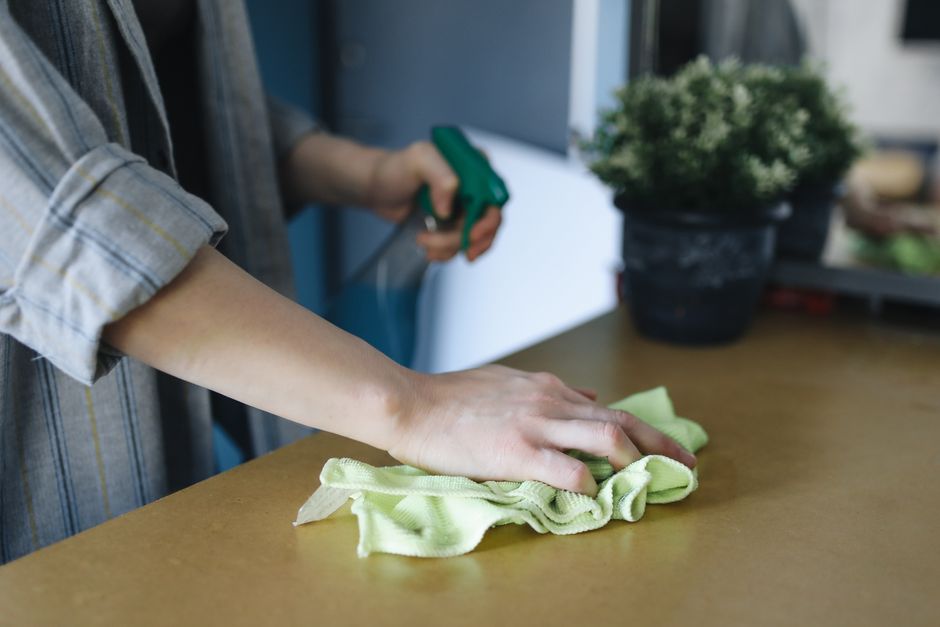
Here is our “Lazy Person’s” toolkit:
- Microfiber Cloths: These are the MVPs of dusting. Unlike old rags or paper towels that just push dirt around, microfiber is designed to trap and hold particles. If you’re new to using them, check out our microfiber cloth dusting guide for the best techniques.
- An Old Pillowcase: This is the secret weapon for ceiling fans. It allows you to clean the top and bottom of the blade simultaneously while catching every speck of dust inside the bag.
- Vacuum with Brush Attachment: Perfect for the initial pass on grills and motor vents. The soft bristles loosen the dust while the suction whisks it away before it can settle on your furniture.
- Compressed Air: Just like you’d use for removing dust from electronics, canned air is perfect for blowing out the dust that hides inside the motor housing or between tight grill slats.
- Mild Dish Soap and White Vinegar: A simple DIY solution of a few drops of dish soap, a splash of white vinegar, and warm water can tackle even the greasiest kitchen fan blades.
- Step Stool or Ladder: Safety first! Don’t try to balance on a rolling office chair. A sturdy ladder is the most overlooked but crucial tool in this process.
- Small Brushes: A clean, soft paintbrush or even cotton swabs are perfect for those “nooks and crannies” on smaller desk fans.
Step-by-Step: How to Clean Fan Blades Without Taking It Apart
Before we dive into the specific “hacks,” we have to talk about the boring stuff: safety. Never, ever attempt to clean a fan while it is plugged in or the switch is on. For ceiling fans, make sure the wall switch is off and the blades have come to a complete stop. For portable fans, physically pull the plug from the wall. If you’re doing a deeper clean involving liquids, some experts even recommend turning off the power at the circuit breaker to be 100% safe.
Once the power is sorted, we can move on to the actual cleaning. The goal here is “containment.” We want to get the dust off the fan without it ending up on your bed, your rug, or your hair. Using a DIY home cleaning for better air approach means being smart about how we move the dirt.
Using the Pillowcase Trick for Ceiling Fans
This is easily the best mess-free ceiling fan cleaning hack ever invented. It’s so simple it feels like cheating.
- Prep the Pillowcase: Take an old pillowcase (one you don’t mind getting very dirty) and lightly dampen the inside with a spray of water or a mild all-purpose cleaner. You don’t want it soaking wet—just enough to help the dust “stick.”
- The Slide: Slide the pillowcase over one of the fan blades, all the way to the base.
- The Squeeze and Pull: Press your hands against the top and bottom of the blade through the fabric. Slowly pull the pillowcase back toward the tip of the blade.
- The Reveal: As you pull, the fabric wipes both sides of the blade, and all the “grey fluff” falls directly into the bottom of the pillowcase. No dust on the floor!
- Repeat: Move to the next blade. If the pillowcase gets too full, shake it out into a trash can outside before continuing.
- Laundry Care: Once finished, turn the pillowcase inside out and shake it outside to remove the big clumps, then toss it in the washing machine on a hot cycle.
Cleaning Desk and Standing Fan Blades Without Taking It Apart
Desk and standing fans are trickier because the blades are usually encased in a metal or plastic grill. While How To: Clean a Fan often suggests taking the grill off, you can often skip that step if the buildup isn’t too severe.
- Vacuum the Exterior: Use your vacuum’s brush attachment to go over the front and back grills. This removes the “loose” dust that is just waiting to fly off.
- The Compressed Air Blast: Use a canister of compressed air to blow through the grill. Aim for the blades themselves. The force of the air will dislodge the dust caked on the leading edges of the blades.
- The “Slit” Wipe: For the grime that remains, take a microfiber cloth and wrap it around a thin tool (like a ruler or a butter knife). Gently poke it through the grill slats to wipe the surface of the blades. This is also a great time to use the same precision you’d use when cleaning indoor plants for dust—gentle, targeted movements.
- Cotton Swabs for the Win: If there is gunk stuck in the very center of the grill or around the motor vents, a cotton swab dipped in a vinegar solution will reach where your fingers can’t.
Pro Tips for Stubborn Grime and High Ceilings
Sometimes, a simple dusting isn’t enough. If your fan is in the kitchen, it likely has a layer of “grease-dust”—that sticky, yellowish film that laughs at a dry cloth. Or perhaps your fan is 15 feet in the air on a vaulted ceiling, making the pillowcase trick feel like a circus act.
For greasy blades, you need a degreaser. Mix equal parts white vinegar and water with two drops of dish soap. Spray this onto your microfiber cloth (never spray directly onto the fan to avoid getting liquid in the motor) and wipe. The vinegar cuts the grease, while the soap lifts the dirt.
Another pro tip: The Dryer Sheet Hack. After you’ve cleaned your blades, wipe them down with a used dryer sheet. The anti-static properties of the sheet will help repel future dust, keeping your fan cleaner for longer.
How to Clean Fan Blades Without Taking It Apart on Vaulted Ceilings
High ceilings require a bit more preparation. If you can’t reach the fan with a standard step stool, you have two options:
- The Extendable Duster: Purchase a high-quality extendable duster with a pivoting head. Many are designed with a “C” shape or a “fork” shape specifically to slide over fan blades from the ground. While it’s not as thorough as the pillowcase method, it’s much safer for routine weekly maintenance.
- The A-Frame Ladder: If you must go up, use a sturdy A-frame ladder and have a “spotter” hold the base. When working at height, always use a drop cloth or an old sheet on the floor and furniture below. Even with the best tools, some dust may escape, and it’s much easier to shake out a sheet than to deep-clean a sofa.
Frequently Asked Questions about Fan Maintenance
How often should I clean my fan blades?
We recommend a quick dusting once a week to prevent heavy buildup. However, a “proper” clean (like the pillowcase trick) should be done about once a month. If you have pets that shed or live in a particularly dusty area, you might need to bump that up to every two weeks. Don’t forget to check your fans when you change your HVAC filters or rotate your ceiling fan direction for the seasons!
Can I use a vacuum on all fan types?
Generally, yes. A vacuum with a soft brush attachment is safe for metal, plastic, and wood blades. However, be careful with very old, delicate wooden blades or fans with decorative finishes, as the plastic of the vacuum nozzle could leave scuffs if you aren’t gentle. Always focus on the motor exhaust vents as well; keeping the motor clear of dust is the best way to prevent overheating.
What is the best solution for greasy fan blades?
The “Gold Standard” is a mixture of warm water, white vinegar, and a grease-cutting dish soap. According to experts at The Spruce, you should aim for about 3 cups of water to 2 teaspoons of soap. This provides enough cleaning power without creating so many suds that you spend an hour trying to rinse them off.
Conclusion
At Computadora Agora, we believe that a clean home is a more efficient home. Learning how to clean fan blades without taking it apart isn’t just about being “lazy”—it’s about being smart with your time and resources. By spending just 10 or 15 minutes a month on these simple maintenance hacks, you can improve your home’s air quality, lower your energy bills, and keep your fans running smoothly for years to reach.
The best cleaning routine is the one you actually stick to. You don’t need to be a professional cleaner to achieve professional results; you just need the right tricks up your sleeve. Explore more cleaning tips on our blog to find more ways to make your household chores faster, easier, and more effective. Happy dusting!
