
Why Clean Vents DIY Is Worth Your Time (And Your Health)
Clean vents DIY is simpler than most homeowners think. Here’s a quick overview of how to do it:
- Turn off your HVAC system at the thermostat or breaker
- Remove vent covers using a screwdriver
- Soak and scrub the covers in warm, soapy water
- Vacuum inside the vent openings with a brush attachment
- Dry covers completely, then reattach them
- Replace your air filter and turn the system back on
Most of us have a regular cleaning routine — dishes, floors, bathrooms. But air vents? They’re easy to forget.
The problem is, your HVAC system constantly recirculates the air in your home. If your vents are clogged with dust, pet dander, or mold, that stuff gets pushed right back into the air your family breathes.
That’s not great — especially if anyone in your home has allergies or asthma.
The good news: cleaning your vents yourself is genuinely easy. You don’t need special skills or expensive equipment. Most homeowners can get it done in under an hour with tools they already own.
Professional air duct cleaning can cost anywhere from $450 to $1,000 per HVAC system — so doing the routine maintenance yourself makes a real difference to your wallet too.

Why You Should Prioritize Your Home Air Quality
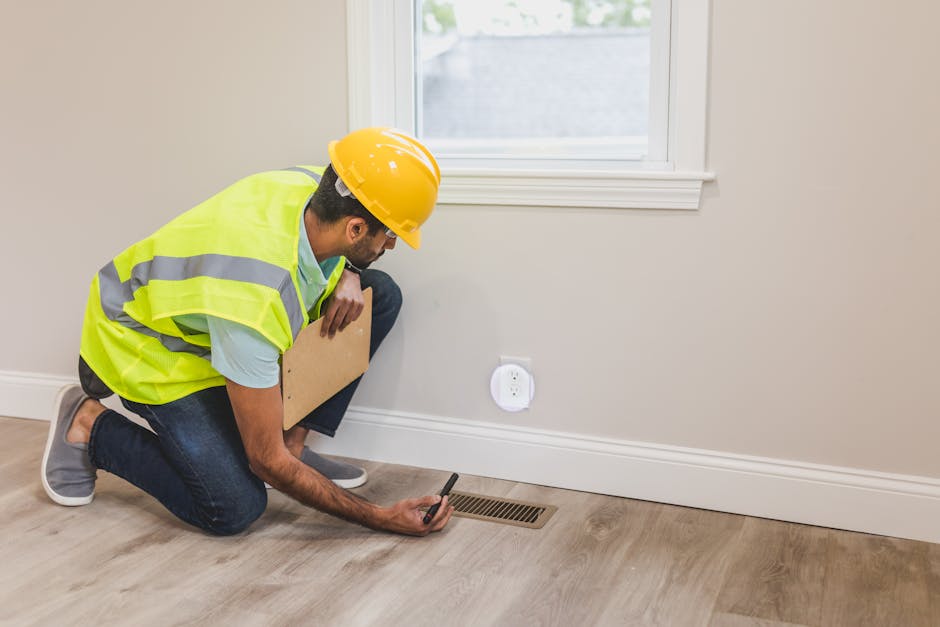
We often think of our homes as a sanctuary from outdoor pollution, but the indoor air quality can actually be more contaminated than the air outside. Your HVAC system is the “heart” of your home, pumping air through every room. If the “arteries” (your vents and ducts) are filled with gunk, the whole system suffers.
The Impact on Your Health and Wallet
When dust, pet dander, and pollen accumulate in your vents, they don’t just sit there. Every time the furnace or AC kicks on, a microscopic cloud of debris is blasted into your living space. This can lead to increased sneezing, itchy eyes, and even severe respiratory issues. Research from the Institute of Medicine has even linked microbial growth in HVAC systems to worsened asthma symptoms.
Beyond health, there is the matter of efficiency. Clogged vents force your HVAC system to work much harder to push air through. This extra strain shortens the lifespan of your expensive equipment and causes your energy bills to spike. By performing a clean vents diy session, you are essentially giving your HVAC system a “tune-up.”
How Often Should You Do It?
A common question is: how often to clean AC vents? For a standard home, we recommend a light dusting of the covers every few weeks and a deeper DIY cleaning every six months. However, if you have pets that shed or family members with allergies, you might want to bump that up to every three months.
| Feature | Dirty Vents | Clean Vents |
|---|---|---|
| Airflow | Weak or uneven | Strong and consistent |
| Odor | Musty or “dusty” smell | Fresh and neutral |
| Dust on Furniture | Returns quickly after cleaning | Stays clean longer |
| Energy Bills | Unusually high | Optimized/Standard |
| Health Impact | Worsened allergies/coughing | Improved breathing |
Signs Your Vents Need Immediate Attention
If you aren’t sure if it’s time to grab the screwdriver, look for these telltale signs:
- Visible Dust Puffs: If you see a “poof” of dust when the air turns on, it’s time.
- Dark Rings: Look at the wall or ceiling around the vent. Dark “ghosting” rings indicate that the vent is recirculating heavy amounts of debris.
- Unusual Noises: Whistling or rattling can mean debris is obstructing the airflow.
- Musty Odors: This is a red flag for potential mold growth within the damp, dark environment of the ducts.
Essential Tools and Safety for a clean vents diy Project
Before you start poking around in your ductwork, you need the right gear. You don’t need industrial-grade machinery, but using the correct household tools will make the job safer and more effective.
Your DIY Toolkit
- Vacuum with Attachments: A shop-vac is ideal because of its suction power, but a standard household vacuum works if it has a long hose and a brush attachment.
- HEPA Filter: If possible, use a vacuum with a HEPA filter to ensure you aren’t just blowing fine dust out the back of the machine.
- Screwdriver: Most vent covers are held in by two simple Phillips-head screws.
- Microfiber Cloths: These are superior to paper towels because they “grab” dust rather than just pushing it around.
- Soft-Bristled Brush: An old toothbrush or a dish brush is perfect for scrubbing the grates of the vent covers.
- Dish Soap and Warm Water: For soaking the covers.
- Flashlight: You’ll need this to inspect as far into the duct as possible.
Safety First
We cannot stress this enough: don’t let your furnace choke on your allergies or your safety.
- Power Off: Always turn off the HVAC system at the thermostat. For extra safety, flip the breaker. If the fan kicks on while you’re cleaning, it could suck your tools into the system or blow a face full of dust directly at you.
- PPE (Personal Protective Equipment): Wear a dust mask and safety goggles. When you loosen years of dust, it becomes airborne immediately. You don’t want to inhale it.
- Check for Hazards: If your home was built before the 1970s, be aware of asbestos. If you see crumbly, white insulation around your vents, stop immediately and call a professional.
Step-by-Step Instructions for Cleaning Your Vents
Ready to get started? Follow these steps for a thorough clean vents diy experience.
Step 1: Shut it Down
As mentioned, ensure the system is off. This prevents dust from being pulled deeper into the mechanical parts of the furnace or AC unit while you’re agitating the debris.
Step 2: Remove and Soak the Covers
Use your screwdriver to remove the vent covers (also called registers). If they are stuck to the wall because of years of paint, use a utility knife to gently score the edge of the paint so you don’t peel the drywall paper off. Drop the metal or plastic covers into a sink or tub filled with warm, soapy water. Let them soak for 10–15 minutes to loosen the grime.
Step 3: The Deep Vacuum
While the covers soak, grab your vacuum. Use the crevice tool to reach as far into the duct as the hose will allow.
- Pro Tip: If you have a long-handled brush (like a dryer lint brush), use it to gently knock dust off the sides of the duct walls before vacuuming.
- Flexible vs. Rigid Ducts: Be very gentle if you have flexible (plastic/foil) ductwork. These can tear easily. Rigid metal ducts are much sturdier and can handle more vigorous brushing.
Step 4: Wipe Down the Interiors
Take a damp microfiber cloth and wipe the interior of the duct as far as you can reach. This picks up the fine “static” dust that the vacuum might have missed. Check out these home ventilation cleaning tips for more ways to keep the air moving efficiently.
Step 5: Scrub and Dry the Covers
Go back to your soaking covers. Use your soft brush to get into the nooks and crannies of the grates. Rinse them thoroughly. Crucial Step: Dry them completely. If you put wet covers back on, you are inviting rust and mold to grow. You can even use a hair dryer on a low setting to ensure the tiny corners are bone-dry.
Step 6: Final Inspection and Reattachment
Use your flashlight to look inside one last time. If it looks clear, screw the covers back on. This is also the perfect time to check your furnace filter. If it looks gray or furry, replace it immediately to lock in your hard work.
DIY vs. Professional: When to Call the Experts
While a clean vents diy project is great for routine maintenance, it has its limits. A standard vacuum hose only reaches about 3 to 6 feet into your system. The actual ductwork in your home can be dozens of feet long, twisting through ceilings and floors.
When DIY is Enough
If you are just dealing with standard household dust, pet hair, and “surface” debris, DIY is perfect. It keeps the entry points clean and prevents the most visible allergens from circulating.
When to Call a Pro
There are specific scenarios where you should stop and find a specialist. Finding a certified air duct cleaner without getting taken to the cleaners is important if you encounter the following:
- Visible Mold: If you see black, green, or fuzzy growth inside the vents, DIY cleaning can actually spread mold spores throughout the house. Professionals use EPA-approved antimicrobials and high-powered “reverse air” technology to kill and remove mold safely.
- Pest Infestations: If you find rodent droppings, nesting materials, or dead insects, you need a pro. They have the vacuums necessary to remove the biological hazards without contaminating your living space.
- Post-Renovation: If you’ve recently done a home remodel, your ducts are likely filled with drywall dust and sawdust. This fine powder can bypass standard filters and require industrial-strength HEPA extraction.
- Excessive Buildup: If you’ve never had your ducts cleaned and the home is 10+ years old, a one-time professional cleaning (costing $450–$1,000) provides a “clean slate” that you can then maintain yourself.
Frequently Asked Questions
How can I prevent dust and mold buildup after a clean vents diy session?
The best way to keep your vents clean is to stop the dust before it enters the system.
- Follow a strict air filter replacement schedule: Change your filters every 1–3 months. High-quality HEPA filters can trap up to 99% of airborne particles.
- Control Humidity: Mold loves moisture. Keep your home’s humidity between 30% and 50% using a dehumidifier if necessary.
- Use Doormats: Most household dust is actually dirt tracked in from outside. Good mats at every entrance significantly reduce the load on your HVAC.
- Regular Vacuuming: Keeping your floors clean means there is less dust for the “return” vents to suck up.
Can I clean air ducts myself or just the vents?
Technically, “vents” are the openings, and “ducts” are the pipes. You can easily DIY the vents and the “shallow” portion of the ducts. However, you cannot fully clean the entire duct system yourself. Professionals use rotary brushes on long cables and truck-mounted vacuums that create a negative pressure environment, pulling debris from every corner of the house. DIY is maintenance; professional cleaning is a deep restoration.
What are the biggest mistakes to avoid during a clean vents diy?
- Using Leaf Blowers: Never blow air into your vents. This just pushes the dust deeper into the furnace or spreads it into other rooms. Always use a vacuum to pull debris out.
- Leaving the HVAC On: This is a safety risk and a cleaning fail. The system will either blow dust in your face or suck your cleaning cloth into the machinery.
- Ignoring Dryer Vents: While you’re cleaning HVAC vents, don’t forget the dryer! Dryer lint buildup is a major fire hazard, causing thousands of home fires every year.
- Using Abrasive Pads: Don’t use steel wool on painted vent covers, or you’ll be repainting them by the weekend.
Conclusion
Taking the time for a clean vents diy project is one of the most rewarding “low-effort, high-impact” chores you can do. Not only will your home smell fresher and stay cleaner, but you’ll also be protecting your family’s health and ensuring your HVAC system lives a long, efficient life.
By keeping an eye on your vents and performing these simple steps twice a year, you can avoid the heavy costs of premature system failure. While you can handle the surface gunk, don’t be afraid to call in the pros for the deep-down “scary” stuff like mold or pests.
For more ways to keep your home running smoothly, check out more expert cleaning tips from our team. Your lungs (and your wallet) will thank you!
