
Why Your Dehumidifier Filter Replacement Can’t Wait
Dehumidifier filter replacement is something most homeowners put off — until the air smells musty, the unit stops working well, or someone in the family starts sneezing more than usual.
Here’s a quick answer to get you started:
How often should you replace your dehumidifier filter?
- Every 6-9 months for most standard filters, depending on how often the unit runs
- Every 1-3 months in high-use areas like kitchens or damp basements
- Washable filters (like AprilAire’s EZ Kleen models) can be rinsed and reused — no set replacement date, just clean when dirty
- Always check your manual — some models have a “Replace Filter” indicator light that takes the guesswork out
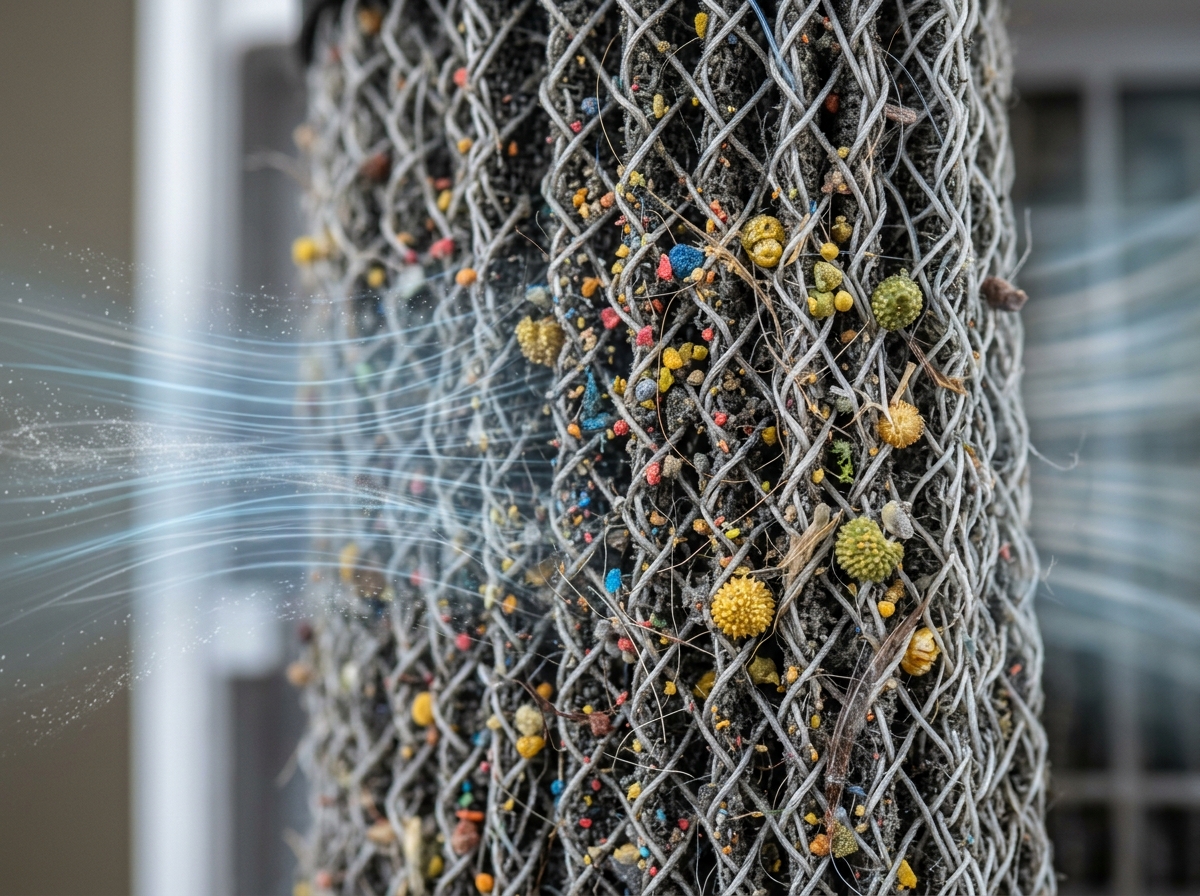
Think of your dehumidifier filter like the lungs of your home. When it’s clean, it quietly traps dust, mold spores, pet dander, and pollen. When it’s clogged, all that stuff keeps circulating through the air your family breathes.
The good news? Replacing or cleaning a dehumidifier filter is one of the easiest home maintenance tasks you can do. No tools, no technician, no hassle.
This guide walks you through everything — from spotting the warning signs to finding the right filter for your exact model.

Why Dehumidifier Filter Replacement is Essential for Home Health
We often think of dehumidifiers simply as machines that “suck water out of the air.” While that’s their primary job, they are also frontline soldiers in the battle for indoor air quality. Every cubic foot of air that passes through your machine carries microscopic hitchhikers: dust, pollen, pet dander, and mold spores.
When you neglect your dehumidifier filter replacement, these particles don’t just disappear. A clogged filter becomes a breeding ground for the very things you’re trying to eliminate. If the filter is full, the airflow slows down, and the moisture in your home stays high. High humidity is the best friend of mold and dust mites, which are major asthma triggers.
Beyond health, there is the “health” of your appliance to consider. A dirty filter forces the motor to work twice as hard to pull in air. This leads to overheating, increased energy bills, and a significantly shorter lifespan for your dehumidifier. By staying on top of your filter maintenance, you aren’t just protecting your lungs; you’re protecting your wallet.
Signs You Need a dehumidifier filter replacement
How do you know it’s time to swap out that old filter? Your dehumidifier is actually quite chatty if you know what to listen for (and smell for).
- Reduced Airflow: If you feel the air coming out of the exhaust and it seems weaker than usual, the filter is likely choked with dust.
- Musty Odors: If your basement starts smelling like a wet gym locker even though the dehumidifier is running, the filter might be harboring damp dust and mold.
- Visible Buildup: Pull the filter out. If it looks grey, fuzzy, or “caked,” it’s past its prime.
- The Indicator Light: Many modern units from brands like Honeywell or Santa Fe have a “Check Filter” or “Replace Filter” light. Don’t ignore it!
- Rising Energy Bills: If your electric bill spikes and you haven’t changed your habits, your dehumidifier might be running 24/7 just to keep up because the airflow is blocked.
Understanding MERV Ratings and Filter Types
When you start shopping for a dehumidifier filter replacement, you’ll run into a term called MERV. This stands for Minimum Efficiency Reporting Value. It’s a scale from 1 to 16 that tells you how good the filter is at catching small particles.
| Filter Type | MERV Rating | What it Captures | Best For |
|---|---|---|---|
| Standard Mesh | 1-4 | Large dust bunnies, hair | Basic protection for the machine |
| MERV 8 | 8 | Dust, mold spores, pollen | Standard home use (e.g., AprilAire 5443) |
| MERV 11 | 11 | Fine dust, pet dander, car exhaust | Homes with pets or mild allergies |
| MERV 13 | 13 | Bacteria, smoke, microscopic allergens | High-performance units like Santa Fe |
High-end replacement filters, such as the MERV 13 options for Santa Fe Compact70 or Ultra70 models, offer superior filtration that rivals some dedicated air purifiers. You might also find specialized filters like:
- Active Carbon Filters: These are great for kitchens or bathrooms because the carbon “soaks up” odors and chemicals like formaldehyde. For example, the PureMate PM420 Dehumidifier Replacement Active Carbon Filter is specifically designed to freshen the air while it dries.
- H13 True HEPA: These are the gold standard, removing 99.97% of particles as small as 0.3 microns.
Washable vs. Disposable Filters
Not every dehumidifier filter replacement involves throwing something in the trash.
Disposable Filters are usually made of pleated paper or synthetic fibers (like the Honeywell Replacement Wicking Filter A). They are incredibly effective at catching tiny particles but must be replaced once they are dirty.
Washable Filters are often made of aluminum mesh or polyurethane foam. Brands like AprilAire and Broan are famous for these. The Broan Washable Dehumidifier Filter and the AprilAire EZ Kleen series (like the AprilAire 5443) allow you to rinse away the dirt and slide the filter back in. While they save money over time, they usually have a lower MERV rating (typically MERV 8) than high-end disposables.
To keep your home running smoothly, we recommend following a consistent air-filter-replacement-schedule to ensure you never miss a maintenance window.
Step-by-Step Guide to Dehumidifier Filter Replacement
Ready to swap your filter? It’s a simple DIY task that usually takes less than five minutes. Whether you have a small portable unit or a whole-house system, the logic remains the same.
- Safety First: Always turn off the dehumidifier and unplug it from the wall. If it’s a whole-house unit, turn it off at the thermostat or the unit’s power switch.
- Locate the Access Panel: On portable units, the filter is usually behind the intake grille (the part where the air gets sucked in). On whole-house units, look at the ductwork mounting or the main trunk line near the air handler.
- Remove the Old Filter: Slide the filter out gently. Note the direction of the “Airflow” arrows printed on the frame—you’ll need to put the new one in the same way.
- Inspect the Area: Before sliding in the new filter, take a damp cloth and wipe away any dust from the intake grille or the internal slot.
- Insert the New Filter: Slide the dehumidifier filter replacement into the slot. Ensure the sealing gaskets (the foam bits on the edges) are snug against the frame to prevent “bypass air” from leaking around the filter.
- Reset the Light: If your unit has an indicator light, you usually have to hold the “Filter” button for 3-5 seconds to reset the timer.
How to Clean a Reusable Filter
If you have a washable filter like the AprilAire 5695, don’t throw it away! Follow these steps:
- Light Cleaning: Take the filter outside and gently tap the “dirty side” to knock off loose dust. You can also use a vacuum with a soft brush attachment. Rinse it with cool water from the clean side to the dirty side.
- Deep Cleaning: If the filter is greasy or very dirty, fill a sink with warm water and a drop of mild dish detergent. Swish the filter around gently. Rinse thoroughly.
- The Golden Rule: Never put a wet filter back into a dehumidifier. Shake off excess water and let it air dry completely. Reinstalling a damp filter can lead to mold growth inside your machine—exactly what we’re trying to avoid!
Finding the Right dehumidifier filter replacement for Your Model
One of the biggest headaches is making sure you buy the right size. Filters are like shoes; “close enough” isn’t good enough. If the filter is too small, dirty air will just flow around the gaps.
When shopping, look for the Model Number on the back or side of your dehumidifier. Common sizes include 9x11x1, 10x12x1, and 14×17.5×1.75.
Pro Tip: Pay attention to “Nominal” vs. “Actual” size. A filter labeled 10x12x1 might actually measure 10.125 x 12 x 0.875 inches. This is normal, but always try to buy filters specifically listed as compatible with your brand, whether it’s GE Appliances or Kesnos.
How to Save Money on dehumidifier filter replacement
Filter costs can add up, but we’ve found a few ways to keep costs down:
- Buy Multi-Packs: A single filter might cost $20, but a 3-pack or 4-pack often brings the price down significantly. For example, Honeywell 3-packs are very popular for their value.
- Watch for Sales: Retailers often run sales on compatible filters. We’ve seen discounts as high as 22% to 28% off for AlorAir and Honeywell TrueDRY replacements.
- Subscribe & Save: Many online stores offer a 5-10% discount if you sign up for automatic deliveries every 6 months. It’s cheaper, and it serves as a reminder to change the filter!
Frequently Asked Questions
Can using the wrong filter size damage my dehumidifier?
Yes. If the filter is too small, dust and hair will bypass the filter and coat the cooling coils. This can cause the coils to freeze up or the motor to burn out. If the filter is too “thick” (like putting a high-MERV filter in a machine not designed for it), it can restrict airflow so much that the motor overheats. Always stick to the manufacturer’s recommended MERV rating and dimensions.
How often should I replace my dehumidifier filter?
For standard homes, every 6-9 months is the sweet spot. However, if you live in a very dusty area, have multiple pets, or run your unit in a damp basement 24/7, you should check it every 3 months. If you use your unit in a kitchen where grease is in the air, the filter will clog much faster.
Where is the filter located on a whole-house dehumidifier?
It’s rarely inside the unit itself. Look at the ductwork where the air enters the machine. It is typically mounted on the main trunk line. If you can’t find it in your basement, check the attic—HVAC installers sometimes mount these units near the air handler in the attic to save space.
Conclusion
At Computadora Agora, our mission is to help you achieve the healthiest air possible in your home. Staying on top of your dehumidifier filter replacement is a small task that pays huge dividends in air quality, energy savings, and the life of your appliance. Whether you are rinsing out a washable mesh or sliding in a high-efficiency MERV 13 pleated filter, you are taking a vital step toward a fresher, drier home.
Don’t wait for the “Replace Filter” light to tell you what your nose already knows! Check your filter today and breathe easier tomorrow. More info about air purifier services
